
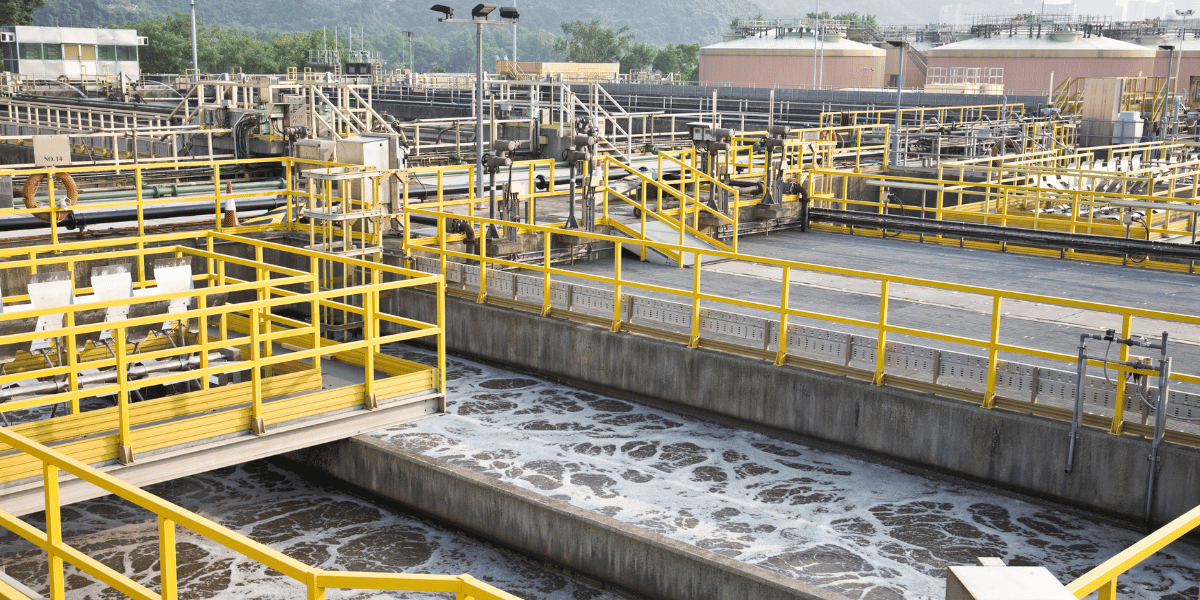
Water is one of the most important parts of a comfortable and functional property. It supports drinking, cooking, bathing, laundry, cleaning, dishes, appliances, plumbing, outdoor chores, and everyday routines. When the water is clear, pleasant, and reliable, people may not think much about it. But when water begins to smell unusual, leave stains, create scale, carry sediment, or lose pressure, it quickly becomes a problem that affects the whole home, cottage, farm property, or small business.
Many properties, especially rural homes and seasonal cottages, depend on private wells or other independent water sources. These systems can provide dependable water, but they also need proper attention. Unlike municipal water, private water systems are usually managed at the property level. That means the owner may need to think about testing, pumps, pressure tanks, filters, softeners, plumbing, and regular service.
For property owners looking into water treatment services for homes, the best approach is to start with the actual water conditions. A good system should not be selected by guessing or choosing equipment based only on general advice. It should be planned around the source, the symptoms, the test results, and the way the property uses water every day.
Water Problems Often Start as Small Inconveniences
Water issues often begin quietly. A homeowner may notice a faint odour from the shower, light staining in the sink, white scale around taps, cloudy water in a glass, or sediment collecting in a filter. These signs may not seem serious at first, especially if the water is still usable. But over time, small water problems can become daily frustrations.
Hard water can make soap less effective, leave spots on dishes, create residue on fixtures, and build up inside appliances. Iron can cause orange or brown stains on toilets, tubs, sinks, showers, and laundry. Sediment can clog screens, shorten filter life, and affect water clarity. Odour can make water unpleasant for bathing, cooking, and cleaning. Pressure problems can make showers weak and slow down household tasks.
Because water is used so often, even a small issue can affect comfort throughout the property. A proper water treatment plan helps address the cause of the problem instead of forcing the owner to keep dealing with the same symptoms again and again.
Private Water Systems Need Regular Attention
A private water system is different from a municipal water connection. With municipal water, much of the treatment and delivery is handled by a larger public system. With a private well or independent water source, more responsibility belongs to the property owner. The well, pump, pressure tank, filtration equipment, softener, plumbing, and fixtures all work together.
Private systems can work very well, but they should not be ignored. Water conditions can change over time because of seasonal patterns, groundwater movement, equipment age, plumbing updates, heavy use, or long periods without use. A system that worked well for years may eventually begin showing signs of hardness, iron, sediment, odour, or pressure issues.
Regular attention helps property owners understand what is happening before the problem becomes more stressful. Testing, maintenance, and system review can help identify whether the issue is coming from the source, the equipment, the plumbing, or the delivery system.
Testing Helps Avoid the Wrong Solution
Water treatment should begin with understanding the water. Many problems look similar from the outside, but they can have different causes. Staining may be caused by iron, manganese, or other minerals. Scale is often connected to hardness. Odour may come from sulfur, plumbing conditions, hot water equipment, or the water source itself. Cloudiness may involve sediment, air, minerals, or other water characteristics.
Without proper testing or evaluation, it is easy to choose equipment that only partly solves the issue. A basic filter may reduce visible particles but do little for hardness. A softener may help with scale but may not fully address iron or odour. A pump adjustment may improve flow but will not solve water quality concerns.
Testing gives property owners a clearer starting point. Once the water conditions are understood, equipment can be selected more carefully. This helps reduce frustration, avoid unnecessary products, and create a system that is more practical to maintain over time.
Hard Water Can Make Everyday Cleaning More Difficult
Hard water is a common issue in many homes, cottages, farms, and rural properties. It contains minerals that can create scale buildup on faucets, showerheads, glass, sinks, water heaters, dishwashers, washing machines, and plumbing components. Over time, this buildup can increase cleaning needs and may affect how appliances perform.
In daily life, hard water may leave spots on dishes, make laundry feel stiff, reduce soap lather, and create residue in bathrooms and kitchens. These issues may not seem major individually, but they can become tiring when they return after every cleaning.
A properly selected softening system can help reduce mineral buildup and make water easier to use. However, the system should be chosen based on the property’s actual water conditions and usage. A busy family home may need a different setup than a seasonal cottage, farm property, or small business.
Iron Staining Can Be Hard to Manage Without Treatment
Iron in water can leave orange, red, or brown stains on sinks, tubs, toilets, showers, laundry, and fixtures. These stains can be difficult to remove, and they often return quickly when the water itself is not treated. Iron may also affect water taste, smell, and appearance.
For property owners, iron staining can make clean spaces look neglected. A bathroom may be cleaned regularly but still show marks. White clothing, towels, or linens may become discoloured. Fixtures may lose their clean appearance sooner than expected. Over time, the water can create extra maintenance work throughout the property.
Iron treatment should be based on the type and amount of iron in the water. Some iron may be dissolved and become visible after exposure to air. Other forms may appear as particles or staining right away. A proper review helps determine which treatment approach makes the most sense.
Sediment Can Affect Water Clarity and System Performance
Sediment may appear as grit, particles, cloudiness, or buildup inside filters and fixtures. It can come from a private well, lake source, plumbing, or aging equipment. Some properties notice sediment occasionally, while others deal with it more regularly.
Sediment can make water look less clean and feel less pleasant to use. It may also clog faucet screens, reduce filter life, and affect water flow. If filters become blocked, pressure may drop throughout the property. This can make showers, laundry, dishes, and outdoor use less convenient.
The right filtration setup depends on the type and amount of sediment present. Some properties may only need basic filtration, while others may need a more complete treatment plan. The goal is to improve clarity, protect equipment, and keep maintenance manageable.
Odour Problems Should Be Investigated Carefully
Unpleasant water odour can quickly affect comfort. Some people notice a sulfur-like smell, especially when hot water is running. Others may notice earthy, musty, or metallic smells. Even when water looks clear, odour can make it less pleasant for bathing, cooking, laundry, and cleaning.
Odour issues can come from different sources. The water source may be involved, but plumbing, hot water equipment, or other system conditions may also contribute. This is why it is important to understand when the smell appears. Does it happen with hot water only? Cold water only? All taps? After water has been sitting?
A proper review helps identify the likely cause. The goal should be to address the source of the odour instead of only covering it temporarily. When the cause is better understood, the solution can be more practical and dependable.
Water Pressure Is Part of Daily Comfort
Water quality matters, but water pressure is also important. Even if water is treated properly, it still needs to move through the property at a reliable flow. Low or inconsistent pressure can make showers weak, laundry slower, dishes harder to rinse, and outdoor chores less convenient.
In private water systems, pressure concerns may involve the pump, pressure tank, clogged filters, plumbing restrictions, or aging equipment. Sometimes the source water is not the main problem. The issue may be the delivery system that moves water through the property.
A complete water plan should consider both quality and pressure. Good water should be treated properly and delivered consistently. When both parts work together, the home, cottage, farm, or business feels more comfortable and functional.
Cottages and Seasonal Properties Need Practical Planning
Cottages and seasonal properties often have different water needs than full-time homes. A cottage may sit unused for weeks or months, then suddenly support family, guests, showers, laundry, cooking, dishes, and outdoor use during weekends or holidays. This changing pattern can affect filters, pumps, pressure tanks, softeners, and plumbing.
Before a seasonal property is used heavily, it may be helpful to test the water, check filters, inspect pumps, review pressure, and confirm that treatment equipment is working properly. Seasonal opening and closing routines can also affect performance.
A good cottage water system should be practical and manageable. It should match the water source, property use, available space, and maintenance expectations. Reliable water matters, but the system should not be more complicated than necessary.
Small Businesses and Farms May Have Added Water Demands
Some properties use water for more than normal household routines. Small businesses, farms, workshops, and service properties may depend on water for cleaning, operations, equipment, animals, customers, staff, or outdoor work. In these settings, water problems can affect productivity as well as comfort.
Hardness, sediment, staining, pressure drops, and odour can all create extra work. Appliances or equipment may need more cleaning. Fixtures may show wear faster. Water flow may become less reliable during busy times. If customers, staff, or visitors use the property, water quality can also affect the overall impression of the space.
A practical water treatment plan should consider how the property is actually used. The system should be sized and selected based on real demand, not just the building type.
Filtration and Softening Should Be Matched Properly
Some properties have one main water concern, while others have several. A home may have hard water and iron staining. A cottage may have sediment and odour. A farm property may need better pressure and filtration. A small business may need cleaner water for daily operations.
Because of this, filtration and softening should be planned as part of the full system. A softener may help with hardness, while filtration may be needed for sediment, iron, odour, or other concerns. The right combination depends on testing, water usage, plumbing layout, equipment space, and maintenance expectations.
The goal is not to add unnecessary equipment. The goal is to build a system that solves the real problems and remains practical for the property owner to maintain.
Water Treatment Can Help Protect Fixtures and Appliances
Water concerns can affect more than taste, smell, and appearance. Hardness can create scale inside appliances and plumbing. Iron can stain fixtures and laundry. Sediment can clog screens and filters. Odour can make water unpleasant. Pressure issues can affect how the whole property functions.
A properly planned treatment system can help reduce many of these problems. Fixtures may stay cleaner. Laundry may improve. Appliances may face less buildup. Cleaning may become easier. The property may feel more comfortable because the water supports daily routines instead of creating extra work.
Water treatment should be viewed as part of property care. It supports the plumbing, appliances, fixtures, surfaces, and equipment that people rely on every day.
Maintenance Keeps the Water System Working Properly
Installing water treatment equipment is only one part of the process. Ongoing maintenance matters too. Filters may need replacement. Softener salt may need checking. Pumps and pressure tanks may need inspection. System settings may need review. Seasonal properties may need extra attention before and after periods of use.
If maintenance is ignored, performance can decline. Filters can clog, pressure can drop, and untreated issues can return. A system that worked well at first may become less effective if it is not serviced or adjusted when needed.
A practical maintenance plan helps keep the system working as intended. It also gives property owners more confidence because they understand what needs attention and when.
Every Property Needs Its Own Water Plan
Water treatment is not one-size-fits-all. Two properties in the same area can have different water concerns. One may need softening. Another may need iron treatment. Another may need sediment filtration. Another may need pressure support. Some properties may need a combination of solutions.
A good water plan considers the source, test results, household size, seasonal use, business needs, plumbing layout, available space, maintenance preferences, and long-term goals. This helps avoid unnecessary equipment while focusing on what will actually improve daily water use.
The right system should improve comfort, protect the property, and remain realistic to maintain. It should support the people using the home, cottage, farm, or business without creating extra confusion.
Better Water Makes the Whole Property Easier to Manage
Water affects nearly every part of a property. It influences cooking, cleaning, bathing, laundry, plumbing, fixtures, appliances, and overall comfort. When water creates problems, those problems appear repeatedly. When the system works better, the whole property becomes easier to enjoy.
Property owners can learn more about water treatment options and practical support at https://mackinnonwater.com/.
A thoughtful water treatment plan can reduce frustration, improve confidence, and make daily routines more comfortable. By understanding the source, choosing the right equipment, and maintaining the system properly, property owners can keep their spaces running more smoothly.
Better water is not only about taste or appearance. It is about making the property easier to live in, easier to maintain, and more reliable over time.